Streamlining Film Discussion in a Busy Apartment: Overcoming Common Pitfalls
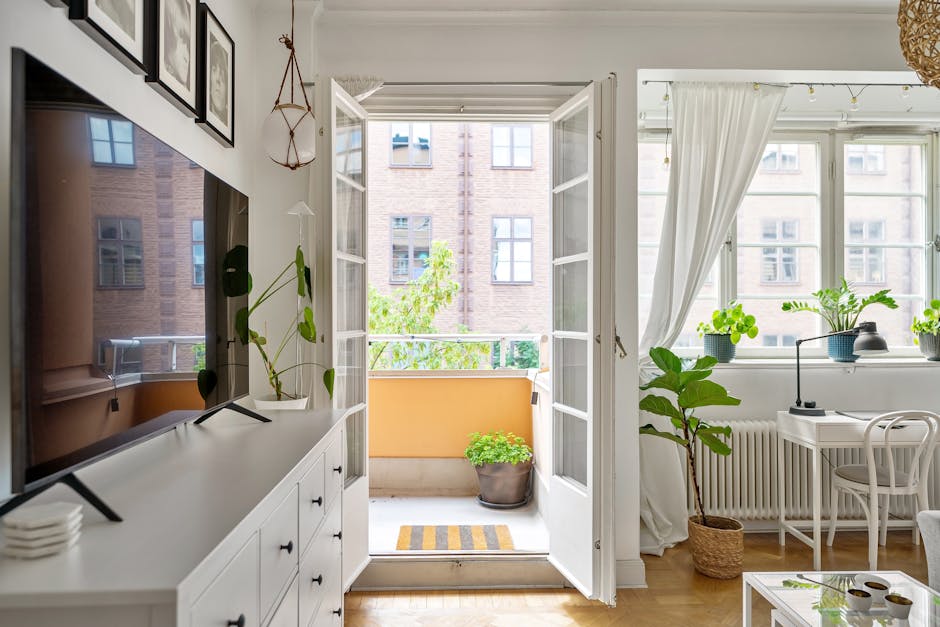
Standing at the entry shelf of my apartment, I fumble with my keys and grocery bags, mentally preparing for the evening ahead. The plan is to dive into a film discussion with friends later, yet the clutter of everyday life threatens to derail my intentions. As I slip on my shoes, I glance at the transit app on my phone, only to see a notification pop up too late—my bus is arriving in five minutes. This frantic moment, marked by a missed check, is all too familiar. I had meant to check my transit schedule before putting on my shoes, but the rhythm of my routine didn’t allow for it.
Each weekday, this small oversight accumulates, turning what should be a simple transition into a source of stress. The act of placing my keys in the same bowl every time I enter could streamline my exit, yet I often leave them scattered on the shelf instead. The physical setup of my apartment doesn’t align with the routine I want to establish. This misalignment not only affects my ability to leave on time but also disrupts the anticipation of discussing the latest film, as I rush out the door, thoughts scattered like my belongings. The challenge of balancing city life logistics with the desire for meaningful film discussions often feels like a losing battle.
The Routine That Starts to Slip
As I step into my apartment, the clutter of grocery bags spills across the entryway, a chaotic reminder of the errands I just completed. The kitchen counter is a hodgepodge of items: a half-empty carton of milk, a few ripe avocados, and a stack of mail that I’ve sworn to sort through every day but never do. The intention to discuss the latest film with friends later feels overshadowed by the immediate need to clear a path through the mess. With my shoes still on, I glance at my phone, only to see a transit alert pop up, confirming that I should have left five minutes ago.
The sequence of my routine is far from smooth. I should have checked the transit schedule before putting on my shoes, but the rush of the moment pushed that thought aside. I fumble with the bags, shifting them to make room for my keys, which I often forget to place in the designated bowl on the shelf. Instead, they’re buried under a pile of receipts and snack wrappers. The disarray not only delays my departure but also clouds my mind with the stress of the impending film discussion. I want to dive into the nuances of the film’s cinematography, but instead, I’m left scrambling to remember the plot while navigating the clutter. This disconnect between my physical setup and my desired routine makes it difficult to transition from daily life to meaningful conversation, leaving me feeling scattered and unprepared.
The First Missed Step
As I prepare for the grocery trip before tonight's film discussion, the chaos of my apartment entry shelf becomes painfully evident. Shoes are already on, and I’m halfway out the door when my phone buzzes with a transit alert. It’s a reminder that I should have left five minutes ago, but the urgency of the moment has overshadowed my usual checks. Instead of a smooth exit, I find myself scrambling to locate my keys, which are buried beneath a jumble of receipts and snack wrappers instead of resting in their designated bowl.
- The transit alert arrives too late, interrupting my flow.
- Keys are misplaced, leading to a frantic search that eats up precious time.
- The grocery list, meant to be a quick grab, becomes an afterthought as I rush out.
This missed step not only delays my departure but also clouds my mind with the stress of the impending discussion. I want to analyze the film’s themes, but instead, I’m left feeling scattered and unprepared, all because the physical setup of my entryway doesn’t align with the routine I need to follow. Next time, checking the transit schedule before putting on my shoes could save me from this chaos.
This same friction shows up again in Apartment Living Tips Us, especially when the day tightens unexpectedly.
Why the Friction Happens
The entryway of my apartment is cluttered, a chaotic mix of shoes, bags, and a few stray grocery items. This disarray makes it difficult to transition smoothly from one task to another. When I come home from work, the first thing I should do is drop my keys in the bowl by the door, but instead, they often end up lost in the depths of my backpack or buried under a pile of mail. This simple misplacement can lead to a scramble right before I leave for a planned film discussion, where I want to dive deep into the cinematography and themes of the movie I just watched.
On busy weekdays, errands pile up, leaving little time for mental preparation. I often find myself racing against the clock, where every minute counts. Just this morning, I put on my shoes before checking the transit schedule, only to receive a late alert about delays. If I had taken a moment to check my phone first, I could have adjusted my departure time or even chosen a different route. Instead, I rushed out the door, my mind racing with thoughts of the film, but also preoccupied with the logistics of my day. This lack of alignment between my physical setup and my routine creates a frustrating friction that derails my intentions.
One hidden step that often gets overlooked is the need to mentally prepare while physically transitioning. I might think I can multitask, but the reality is that I need a few moments to gather my thoughts and focus on the film discussion ahead. Without a clear space to do this, my good intentions become muddled. The clutter in my entryway isn’t just a physical barrier; it’s a mental one too. As I rush out, I’m not just leaving behind my keys—I’m also leaving behind the chance to engage meaningfully with the film’s narrative. The setup of my apartment, rather than supporting my hobby, ends up complicating it, making it harder to shift gears from daily life to film analysis. One Simple Adjustment to Make Keys often end up scattered on the entryway table, lost among the clutter of mail and grocery lists. This disorganized setup creates a chaotic start to my day, especially when I’m trying to squeeze in a film discussion before heading out. A simple yet effective solution is to designate a specific bowl for my keys on the entry shelf. By consistently placing them there, I eliminate the frantic search that usually occurs when I’m already late.
Another adjustment involves my transit check. Typically, I wait until I’ve already slipped on my shoes to check the transit app, only to be greeted by a notification that my train is delayed. This last-minute alert adds unnecessary stress and cuts into my mental prep time for the film discussion. Instead, I’ve started to check the transit schedule first, before I even think about putting on my shoes. This small sequence change allows me to adjust my departure time accordingly, ensuring I’m not rushing out the door while still trying to think through the film’s themes.
By placing my keys in the bowl and checking transit alerts before getting ready, I streamline my exit routine. This not only helps me avoid the frustration of misplaced items but also allows me to engage with my thoughts on the film more effectively. When I walk out the door, I’m not just stepping into the city; I’m stepping into a mindset ready for discussion, rather than scrambling to catch up with my day.
What Gets Easier in the Next Time Block
If this pattern keeps repeating, Navigating Busy City Life extends the idea without leaving the niche.
As I stand at the entry shelf in my apartment, I notice how the arrangement of my keys and transit app affects my mental state. The bowl where I place my keys has become a small but crucial anchor in my routine. When I drop my keys into the bowl right after I walk in, I save myself the panic of searching for them when I’m about to leave. This simple action reduces the friction of my exit, allowing me to focus on the film discussion ahead.
Before I put on my shoes, I now check the transit app on my phone. This shift in sequence means I can adjust my departure time if necessary. For instance, if the app shows a delay, I can grab a quick snack or review my notes on the film while I wait. Instead of rushing out the door, I step into the city block with a clearer mind, ready to engage in conversation about the film’s nuances. This small adjustment not only streamlines my exit but also enhances my ability to dive into the discussion without feeling frazzled.
Returning to the apartment after a busy day, it’s easy to overlook the small adjustments that keep film discussions alive. The transit check, often a rushed afterthought, can derail the whole evening if it happens too late. For instance, if I forget to check my transit app until I’m already in my shoes, I might miss a delay that could change my plans. This misalignment between my physical setup and routine can lead to frustration, cutting into valuable discussion time.
To improve this, I can make a habit of checking the transit app while I’m still at the entry shelf, before I even put on my shoes. This way, I can adjust my plans accordingly, whether that means grabbing a quick snack or reviewing my notes. Such a small change in sequence can transform my approach to film discussions, ensuring I enter the conversation focused and prepared, rather than rushed and frazzled.


