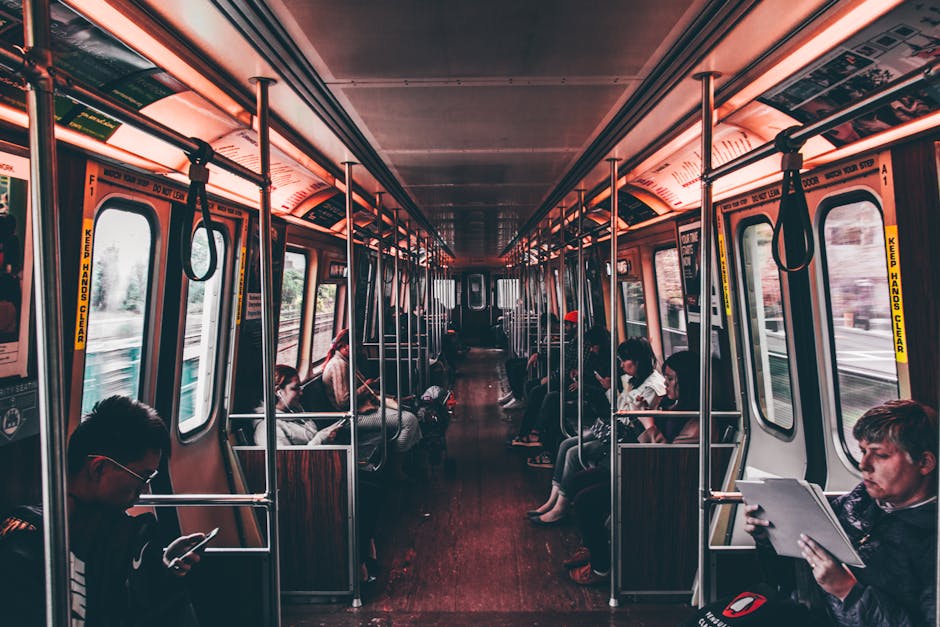
What City Block Looks Like on an Ordinary Day

On an ordinary weekday, the door-side bowl overflows with keys, loose change, and a laundry card that should have been in my wallet. I’m juggling errands—grocery shopping, picking up dry cleaning, and squeezing in a quick laundry run. As I grab my bag, I can’t help but feel the weight of these tasks pulling my focus away from the film discussions I had planned with friends later that evening. The excitement of dissecting the latest release feels overshadowed by the chaos of daily life.
Before leaving, I check my transit app, but it’s too late; the bus I needed just pulled away. In this rush, I forgot to confirm the timing of my errands, which could have allowed for a more relaxed commute and a chance to reflect on the film I watched last weekend. Instead, I’m left scrambling, caught in a cycle where the logistics of city living disrupt my enthusiasm for film discussions. The laundry card left behind is just one symptom of a larger issue: how can I weave those conversations into my busy routine without losing the thread of what I want to share?
The Cluttered Surface of Daily Life
The small kitchen table, usually a spot for film discussions, is now a chaotic mix of laundry, groceries, and work materials. A pile of unwashed clothes sits beside a half-open bag of groceries, while my laptop is wedged between a stack of film notes and a grocery list. As I prepare to leave for my errands, I glance at the time—it's already 3:30 PM, and I still have to pick up the dry cleaning and make it to the laundromat before the evening rush.
While I’m trying to initiate a conversation about the latest film I watched with a friend, the distractions are overwhelming. "Did you see how the cinematography captured the mood?" I start to say, but then I remember the laundry card is still sitting in the bowl by the door, not in my wallet where it should be. I take a moment to check my transit app, but it’s too late—the bus I needed just left the stop. This missed check means I’ll have to wait another fifteen minutes, cutting into the time I had hoped to spend discussing the film.
In the midst of this, I realize I need to prioritize my errands better. If I had checked my laundry card before leaving, I could have avoided this last-minute scramble. Instead, I’m left juggling my thoughts on the film with the logistics of my day, feeling the weight of my tasks overshadowing my excitement for the discussion ahead. As I step out the door, I can’t help but wonder how I can better integrate my love for film into these busy moments, rather than letting them slip away in the clutter of everyday life.
When the Routine Begins to Slip
As I gather my things for the day, I notice the laundry card sitting in the door-side bowl, a stark reminder of my disorganized approach to errands. I grab my bag and head out, but a quick glance at my phone reveals that the bus I intended to catch just left. I curse under my breath, realizing that I didn’t check the transit app before leaving the apartment. This oversight means I’ll be waiting an additional fifteen minutes, cutting into the time I had set aside for discussing the latest film with friends later this evening.
While I stand at the bus stop, I dig through my bag, hoping to find a way to occupy my mind with thoughts about the film. Instead, I’m met with the frustration of realizing that I also forgot to bring the laundry card. I rummage through my belongings, pulling out a half-eaten granola bar, my headphones, and a crumpled receipt, but no laundry card. The frantic search only adds to my stress, as I debate whether to head back home to retrieve it or risk missing out on clean clothes this week.
This small moment of disarray highlights how easily daily life can disrupt my passion for film discussion. The bus stop, usually a moment of anticipation for me, becomes a source of anxiety. I’m left juggling errands and film thoughts, feeling the excitement of the upcoming conversation overshadowed by the logistics of my day. If I had simply checked my transit app and ensured my laundry card was in my wallet before leaving, I could have transformed this chaotic moment into an opportunity to reflect on the film instead of scrambling to catch up with my busy schedule.
Why the Distractions Happen
In the midst of juggling errands, it’s easy to overlook how multitasking can scatter our focus. As I stand by the door, ready to leave for the grocery store, I glance at the pile of laundry waiting to be done. The laundry card, crucial for accessing the machines in my apartment building, is nowhere to be found. I had intended to grab it, but in the rush of gathering bags for groceries and film notes, I forgot this vital detail. This moment highlights how our good intentions can easily get lost in a flurry of tasks.
Physical clutter in my apartment further complicates this scenario. The kitchen counter is littered with unopened mail, a stack of film DVDs, and a half-finished puzzle. Each item pulls at my attention, creating a mental fog that distracts me from engaging in meaningful film discussions. If I had taken a moment to clear the counter or even just set aside the film notes, I might have created a clearer mental space to reflect on the films I want to discuss later. Instead, I find myself rushing out the door, my mind still tangled in the chaos of daily life.
Before leaving, a quick check of my transit app could have saved me from the frustration of arriving late to the laundromat. Instead, I’m left scrambling to remember which bus stop to use while simultaneously worrying about my laundry card. This hidden step—checking the app before I leave—could transform my commute into a time for film thoughts rather than a frantic race against the clock. Yet, here I am, caught in a cycle where the clutter and distractions of daily life overshadow my passion for film discussion.
A Simple Adjustment to Enhance Conversations
If this pattern keeps repeating, Navigating Busy City Life extends the idea without leaving the niche.
On a crowded weekday, the kitchen counter becomes a chaotic mix of grocery lists, laundry cards, and half-finished film notes. As I juggle errands, the thought of discussing the latest film I watched gets lost amid the clutter. Just yesterday, I rushed out to catch the bus, only to realize I had forgotten my laundry card sitting next to the pile of unorganized notes. That small item, crucial for my stop at the laundromat, was buried under a grocery list I had hastily scribbled while trying to remember what I needed.
Instead of letting the chaos dictate my day, I’ve started setting aside a small notepad specifically for jotting down film thoughts during my commute. This notepad, tucked into my bag alongside my transit card, serves as a dedicated space for ideas and reflections that I can easily access. While waiting for the bus, I can pull it out and write down snippets about films I want to discuss later. This simple act not only keeps my thoughts organized but also transforms idle waiting time into a productive moment for film discussion preparation.
A quick check of my transit app before leaving the apartment has become a new routine. By confirming the bus schedule, I can plan my time better, ensuring I have a few minutes to reflect on films while I wait. This adjustment helps me avoid the frantic rush that often overshadows my passion for film. Instead of feeling overwhelmed by errands, I can embrace these small pockets of time to engage with my hobby, making film discussions feel more integrated into my daily life.
What Gets Easier in the Next Time Block
This same friction shows up again in Apartment Living Tips Us, especially when the day tightens unexpectedly.
Standing by the door, I glance at the bowl where I toss my keys and transit card. This small catch-all has become a vital part of my routine, but it also highlights a common friction point: the laundry card is missing. I can’t afford to forget it again, especially since my laundry day is wedged between grocery runs and a quick trip to the post office. The laundry card sits in my wallet, but I often overlook it in the chaos of errands.
Before I step out, I pull up the transit app on my phone. This quick check has turned into a crucial habit. By confirming the bus schedule, I can plan my timing better, allowing me a few extra moments to think through film discussions while I wait. If I skip this step, I might find myself rushing to catch a bus, leaving no time to jot down thoughts about the latest film I watched. The small adjustment of checking my transit app not only streamlines my errands but also creates a mental space for film ideas.
As I gather my bags, I notice the clutter on the kitchen counter—groceries, laundry, and a half-finished puzzle all vying for attention. This setup can be overwhelming, but with a clear plan in mind, I can prioritize. I decide to tackle the laundry first, then head to the grocery store. This order eases the transition between tasks and keeps my mind focused on the film discussions I want to engage in later. The next time block feels less frantic, even if it’s still packed with errands.
As I gather my laundry and groceries, I realize that the simple act of checking the transit app before leaving can make a significant difference in my day. If I do this early, I can adjust my schedule to allow for a few moments of reflection on the films I've seen recently. This small but effective routine change not only helps me manage my errands but also opens up mental space for those film discussions I cherish.
Next time I’m at the door with my bags, I’ll make it a point to check the app first. This way, I can avoid the chaos of last-minute rushes and instead, enjoy the process of weaving my thoughts about film into the fabric of my daily life. It’s these little adjustments that can transform the mundane into something more engaging, even amidst the busyness of city living.